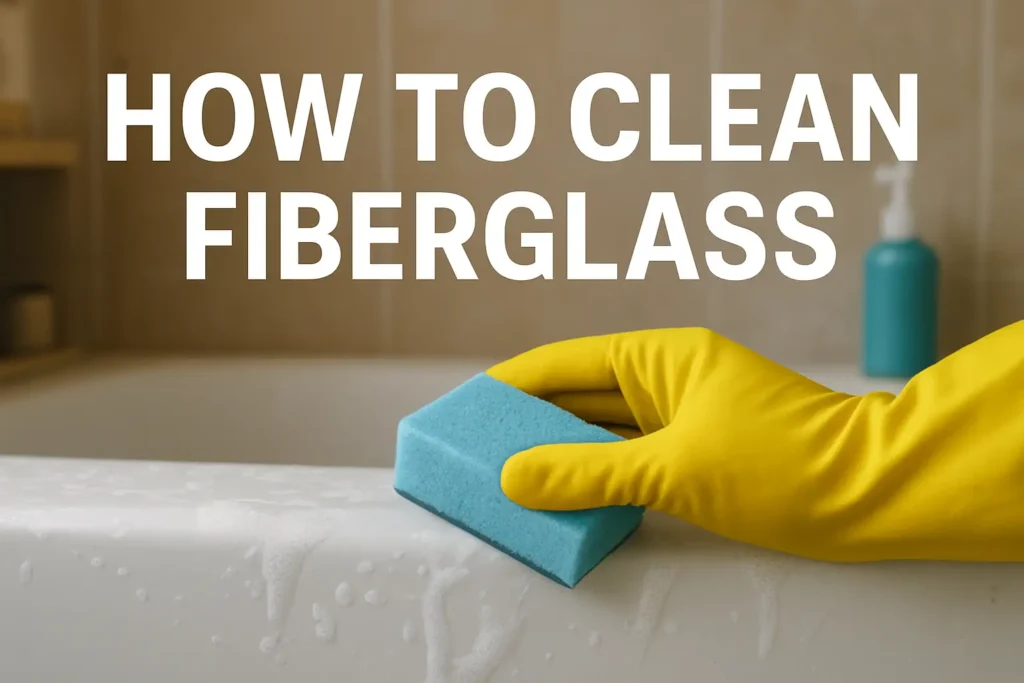
How to Clean Fiberglass
Have you ever looked at your fiberglass shower or boat hull and wondered why it seems so grimy no matter how often you wipe it down? Cleaning fiberglass can feel tricky because it’s a porous material that scratches easily, but the good news is you can get it sparkling with simple household items and a bit of care. In this guide, I’ll walk you through how to clean fiberglass step by step, so you can tackle tubs, showers, boats, and more without damaging the surface.
Fiberglass is common in homes and vehicles because it’s lightweight and durable, but it picks up soap scum, water spots, and dirt over time. The key to cleaning it well is using gentle methods that remove buildup without scratching. Let’s get into the details.
What You’ll Need to Clean Fiberglass
Before you start scrubbing, gather your supplies. This keeps things efficient and prevents you from stopping midway. Here’s a basic list for most fiberglass cleaning jobs:
- Mild dish soap or a dedicated fiberglass cleaner
- White vinegar or baking soda for tougher stains
- Soft sponges or microfiber cloths
- A spray bottle for mixing solutions
- Rubber gloves to protect your hands
- A soft-bristle brush for detailed areas
- Optional: Automotive wax or fiberglass polish for finishing touches
If you’re dealing with outdoor fiberglass like on a boat, add a hose or bucket for rinsing. Keep abrasive tools like steel wool far away—they’ll ruin the finish.
Step-by-Step Guide: How to Clean Fiberglass Surfaces
Cleaning fiberglass isn’t complicated, but following these steps in order helps you avoid mistakes. I’ll break it down by type of surface, starting with indoor ones like showers and tubs, then moving to outdoor items like boats or RVs. Think of this as chatting over coffee while I show you how it’s done.
Step 1: Prepare the Area
First things first, clear the space. For a fiberglass shower or tub, remove shampoo bottles, razors, and any loose items. If it’s a boat, take off cushions or gear that might get in the way. Wipe away loose dirt or debris with a dry cloth to prevent spreading mess during cleaning.
Ventilate the area well, especially indoors—open windows or use a fan. This is important if you’re using vinegar, which has a strong smell but fades quickly. Put on your gloves now to keep your skin safe from any cleaning mixes.
Step 2: Rinse and Remove Loose Grime
Start with a good rinse. For indoor fiberglass, use warm water from the showerhead or a bucket. Outdoors, hose it down thoroughly. This step loosens surface dirt and makes the next parts easier.
If there’s visible mold or mildew, which is common in damp areas like bathrooms, spray a mix of equal parts water and vinegar. Let it sit for 5-10 minutes. Vinegar’s acidity helps break down those spots without harsh chemicals.
Step 3: Apply a Gentle Cleaner
Mix your cleaning solution. For everyday cleaning, add a few drops of mild dish soap to warm water in a spray bottle. Spray it liberally on the fiberglass surface. If stains are stubborn, make a paste with baking soda and water—it’s like a natural scrub that won’t scratch.
Work in sections to keep things manageable. Use a soft sponge or cloth to gently rub in circular motions. Avoid pressing too hard; fiberglass gels coat can wear down over time. For crevices, like around faucets or boat seams, use a soft brush dipped in the solution.
Let the cleaner sit for a few minutes on tough areas. This gives it time to lift the grime. If you’re cleaning a large area like a boat hull, do it in the shade to prevent the solution from drying too fast.
Step 4: Scrub and Rinse Thoroughly
Now, scrub lightly. Focus on problem spots like water lines or oxidation on boats. Oxidation looks like a chalky film and happens from sun exposure—baking soda paste works well here.
After scrubbing, rinse everything off with clean water. For showers, run the water until no suds remain. Outdoors, use a hose with a gentle spray nozzle. Make sure no residue is left, as it can attract more dirt later.
Step 5: Dry and Polish for Shine
Drying is key to preventing water spots. Use a clean microfiber cloth to wipe the surface dry. If you want extra protection, apply a thin layer of automotive wax or a fiberglass-specific polish. This seals the surface and makes future cleaning easier.
Buff it in with a soft cloth for a glossy finish. On boats, this step also helps protect against UV rays. Do this every few months for best results.
How to Clean Specific Fiberglass Items
Fiberglass shows up in different places, so let’s tailor the approach.
Cleaning Fiberglass Showers and Tubs
Bathrooms are humid, so soap scum builds up fast. Follow the steps above, but pay extra attention to grout lines if they’re fiberglass-adjacent. For hard water stains, vinegar is your best friend—spray it undiluted, wait 15 minutes, then scrub.
If the tub is old and dull, a mixture of hydrogen peroxide and baking soda can brighten it. Apply, let sit overnight if possible, then rinse. This hack saves you from buying expensive restorers.
Cleaning Fiberglass Boats and Hulls
Boats face salt, algae, and sun. Start by hosing off salt residue. Use a boat-specific cleaner if available, but dish soap works in a pinch. For hulls below the waterline, check for barnacles—gently scrape with a plastic tool, not metal.
After cleaning, inspect for cracks. Small ones can be patched with fiberglass repair kits from hardware stores. Always clean on dry land or in calm water to avoid slips.
Cleaning Fiberglass Doors and Furniture
Outdoor doors or patio furniture made of fiberglass need similar care. Dust them first, then wash with soapy water. For faded colors from weather, a light polish restores the look. Avoid pressure washers—they can etch the surface.
Practical Tips and Real-Life Hacks for Cleaning Fiberglass
Over the years, I’ve picked up some shortcuts that make cleaning fiberglass less of a chore. Here’s what works in real homes and on real boats.
First, prevent buildup by rinsing after each use. In showers, a quick spray with water keeps scum at bay. For boats, rinse after every outing, especially in saltwater.
Use everyday items creatively. Lemon juice mixed with salt tackles rust stains— the acid and grit team up without harming the fiberglass. Just rinse well afterward.
If you’re short on time, try a no-scrub method: Spray vinegar, cover with plastic wrap to keep it wet, and let it sit for an hour. The grime wipes off easily.
For eco-friendly options, stick to vinegar and baking soda. They’re cheap, safe, and effective. If buying cleaners, look for ones labeled “non-abrasive” and “fiberglass safe.”
A hack for large areas: Use a mop with a soft head for boat decks or big showers. It covers more ground without tiring your arms.
Watch for signs of wear. If cleaning doesn’t restore the shine, it might need professional resurfacing. But regular maintenance delays that.
In cold weather, warm your cleaning water slightly—it helps dissolve grime better. And always test any new cleaner on a small spot first.
These tips come from trial and error. Once, I cleaned a friend’s boat with just pantry staples, and it looked new. Small habits like these keep fiberglass looking good longer.
Common Questions About How to Clean Fiberglass
Here are answers to some frequent questions people ask.
Can I Use Bleach to Clean Fiberglass?
No, avoid bleach—it can yellow the surface and weaken the material over time. Stick to milder options like vinegar or soap for safe results.
How Often Should I Clean Fiberglass Surfaces?
It depends on use. Showers might need weekly cleaning, while boats could be monthly or after each trip. Regular rinses extend the time between deep cleans.
What If My Fiberglass Is Scratched?
For light scratches, buff with a fine polish. Deeper ones may need a repair kit. Clean the area first to assess the damage accurately.
Is It Safe to Use a Pressure Washer on Fiberglass?
Use low pressure if at all, under 1500 PSI, and keep the nozzle far away. High pressure can strip the gel coat and cause permanent damage.
Can Vinegar Damage Fiberglass?
Vinegar is generally safe when diluted, but don’t leave it on too long undiluted. Rinse well to prevent any etching on sensitive surfaces.
Wrapping Up: Keep Your Fiberglass Spotless
There you have it—a complete rundown on how to clean fiberglass that should leave your surfaces shining and protected. Remember, gentle is the way to go, and regular care prevents big problems down the line. If you found this helpful, check out our next post on “How to Repair Minor Fiberglass Damage” for more hands-on advice.