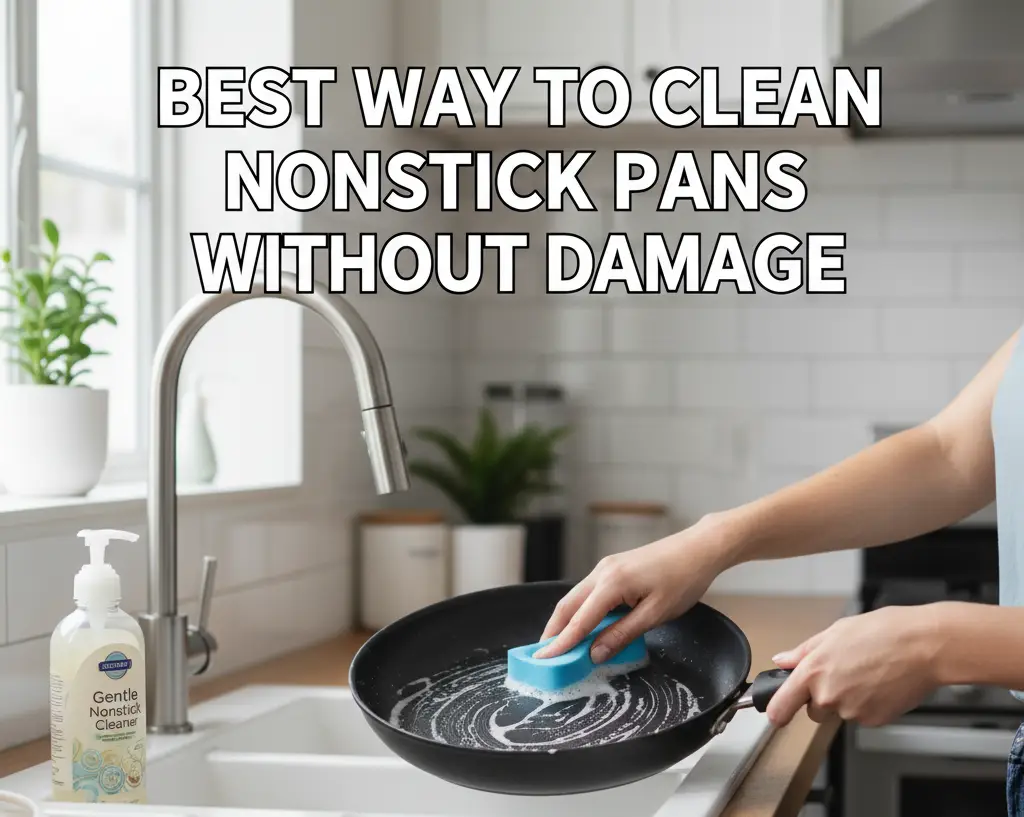
Best Way to Clean Nonstick Pans Without Damage
Ever wondered why your nonstick pans lose their coating or stop working as well after a few washes? The truth is, cleaning them the wrong way can scratch, wear out, or completely ruin the surface. The best way to clean nonstick pans without damage is to use mild dish soap, warm water, and a soft sponge—never abrasive tools or harsh cleaners. This simple approach keeps the coating intact and ensures your pan lasts for years.
In this guide, you’ll learn step-by-step instructions, practical cleaning hacks, and expert tips to keep your nonstick cookware looking and performing like new.
Why Special Care Is Needed for Nonstick Pans
Nonstick pans are designed with a delicate coating (often Teflon or ceramic) that prevents food from sticking. While convenient, this coating is sensitive to scratches, extreme heat, and strong cleaning agents. Treating it like a stainless steel or cast iron pan can cause damage that’s impossible to fix.
That’s why it’s essential to follow proper cleaning methods tailored specifically for nonstick cookware.
Step-by-Step: Best Way to Clean Nonstick Pans Without Damage
1. Let the Pan Cool Down First
Placing a hot pan directly in cold water can cause warping and stress on the nonstick surface. Always let your pan cool for at least 10–15 minutes before cleaning.
2. Use Warm Water and Mild Dish Soap
Fill your sink with warm water and add a few drops of gentle dish soap. Avoid using antibacterial or heavy-duty degreasers, as these may be too harsh on the coating.
3. Choose a Soft Sponge or Cloth
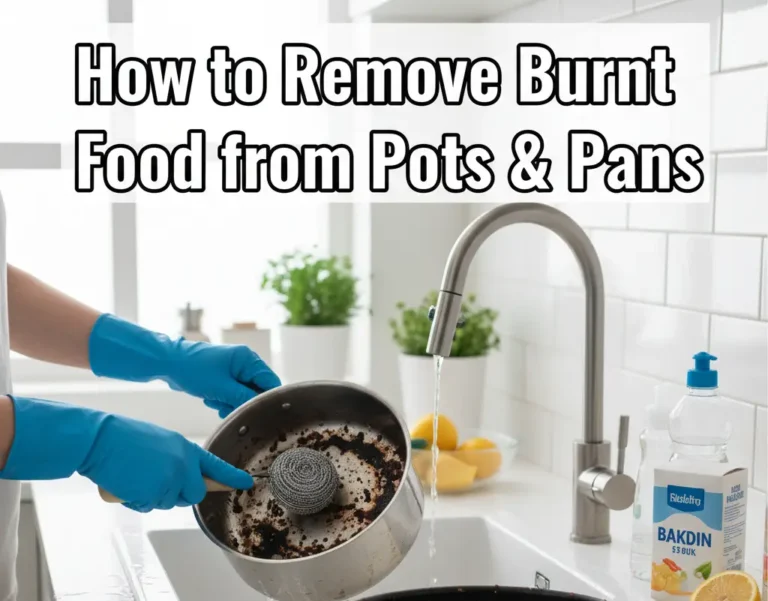
A soft sponge, microfiber cloth, or non-abrasive scrub pad is best. Steel wool, scouring pads, or stiff brushes will scratch the surface and reduce the pan’s effectiveness.
4. Gently Wipe Away Food Residue
Wipe the inside of the pan with your soft sponge. If there’s stuck-on food, let the pan soak in warm soapy water for 15–30 minutes instead of scrubbing aggressively.
5. Handle Stubborn Stains Naturally
For tougher residue or discoloration, make a paste of baking soda and water. Apply it to the affected area and rub gently with a soft cloth. Baking soda is mild enough not to harm the coating but effective at lifting stains.
6. Rinse Thoroughly and Dry Completely
Rinse away all soap and residue with warm water. Then, dry the pan immediately with a soft towel to prevent water spots or moisture damage to the nonstick layer.
Additional Tips for Caring for Nonstick Pans
Avoid the Dishwasher
Even if your pan says “dishwasher safe,” handwashing is always safer. High heat, harsh detergents, and strong water pressure can slowly strip away the nonstick coating.
Don’t Use Metal Utensils
Stick to wooden, silicone, or plastic utensils. Metal spoons, spatulas, or whisks can leave scratches that shorten the life of the pan.
Store with Care
Stacking nonstick pans without protection can cause scratches. Place a soft cloth, paper towel, or pan protector between them when storing.
Season Occasionally (for Some Pans)
Certain nonstick pans benefit from a light seasoning. After cleaning and drying, rub a small amount of cooking oil onto the surface with a paper towel. This helps maintain smoothness and food release.
Real-Life Hacks for Cleaning Nonstick Pans
- For burnt-on grease: Boil water in the pan with a teaspoon of baking soda, then let it cool before wiping clean.
- For lingering smells: Rub the surface with a cut lemon or a paste of baking soda and water.
- For quick cleaning after eggs or pancakes: Wipe the cooled pan with a damp paper towel before doing a full wash.
- For oil buildup: Mix vinegar and water (1:1 ratio), bring it to a simmer in the pan, then wash as usual.
Frequently Asked Questions
1. Can I clean a nonstick pan with vinegar?
Yes, diluted vinegar can help remove oil buildup. However, don’t use it too often, as excessive acidity may wear down the coating over time.
2. What should I do if my nonstick pan is peeling?
Once the coating begins peeling, it’s best to replace the pan. Damaged coatings can mix with food and are unsafe to use.
3. Is baking soda safe for nonstick pans?
Yes, baking soda is gentle enough to use on nonstick surfaces. It’s a great natural option for removing stains without scratching.
4. Can I soak nonstick pans overnight?
It’s fine to soak for short periods (up to 30 minutes), but avoid leaving pans in water overnight, as it may weaken the coating and cause water spots.
5. Why does food still stick to my nonstick pan?
Food sticks when the coating is worn, scratched, or overheated. Regularly cleaning with safe methods and avoiding high heat can help maintain performance.
Final Thoughts
The best way to clean nonstick pans without damage is simple: cool them down, wash gently with mild soap and a soft sponge, and avoid abrasive tools. With proper care, your nonstick cookware will stay in top shape for years, saving you money and frustration.