How to Clean Ceramic Pots Safely
Do your ceramic pots look stained, greasy, or scratched after just a few months of use? Have you ever tried scrubbing them only to make the coating worse?
The quick answer: The safest way to clean ceramic pots is with mild dish soap, warm water, soft sponges, and gentle natural cleaners like baking soda and vinegar. Avoid steel wool, harsh chemicals, and sudden temperature changes to protect the ceramic coating.
Ceramic cookware is known for being nonstick, versatile, and relatively easy to clean compared to other pots. But because the ceramic layer is delicate, it needs the right cleaning techniques. In this detailed guide, we’ll walk through step-by-step cleaning methods, tips for removing tough stains, hacks for burnt food, and common mistakes to avoid.
Why Cleaning Ceramic Pots the Right Way Matters
Many people treat ceramic pots the same way they treat stainless steel or cast iron cookware. Unfortunately, that’s the quickest way to shorten their lifespan. The ceramic coating is what makes them nonstick, but it is more fragile than metal surfaces.
Cleaning correctly ensures you:
- Keep the nonstick surface intact so food won’t stick over time.
- Prevent scratches and chips that lead to permanent damage.
- Avoid discoloration and stains caused by burnt food and grease buildup.
- Extend the lifespan of your cookware, saving money on replacements.
Step-by-Step Guide: How to Clean Ceramic Pots Safely
1. Let the Pot Cool Before Washing
Never put a hot ceramic pot directly under cold water. This sudden change in temperature can cause cracks or weaken the ceramic glaze. Instead, let it sit for at least 15–20 minutes until it cools down naturally.
2. Use Warm Water and Mild Soap for Daily Cleaning
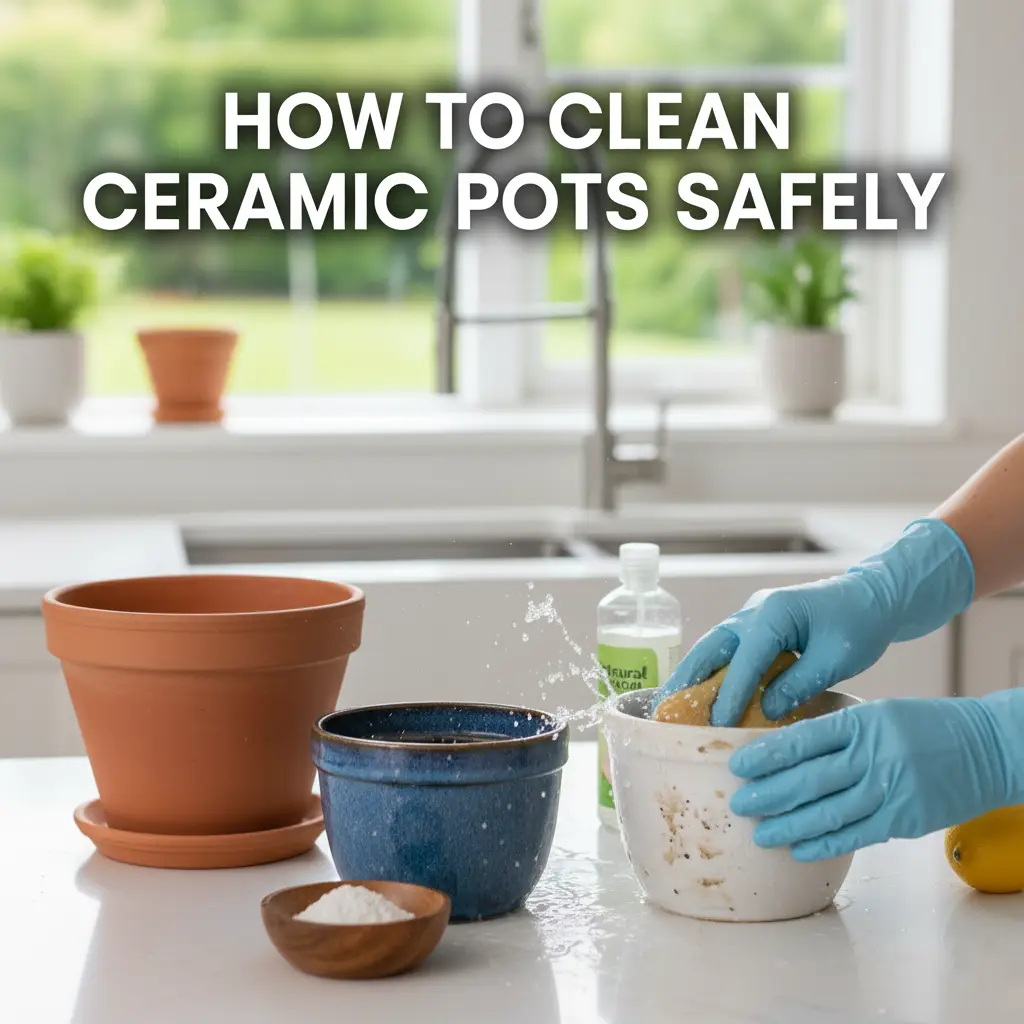
- Fill the pot with warm water and a small amount of mild dishwashing liquid.
- Dip a soft sponge, cloth, or nylon brush into the soapy water.
- Gently scrub the inside and outside surfaces.
- Rinse thoroughly to remove all soap.
Why it works: Mild soap cleans grease without stripping the ceramic surface, while warm water softens food particles for easier removal.
3. Removing Stubborn Stains with Baking Soda
Ceramic pots sometimes develop brown or yellow stains that don’t come off with soap alone. Baking soda is a safe solution:
- Sprinkle baking soda directly onto the stained area.
- Add a few drops of water to make a paste.
- Gently rub the paste in circular motions using a soft sponge.
- Rinse and dry.
This method works because baking soda is mildly abrasive — strong enough to lift stains but not harsh enough to scratch ceramic.
4. Cleaning Burnt Food with Vinegar
Burnt food stuck at the bottom of a ceramic pot can feel impossible to remove, but vinegar works wonders.
- Fill the pot with equal parts water and white vinegar.
- Bring the mixture to a gentle simmer on the stove for 10–15 minutes.
- Turn off the heat and allow the liquid to cool.
- Pour it out and scrub lightly with a sponge.
For extra stubborn spots, follow up with the baking soda paste.
5. Deep Cleaning for Heavy Residue
If you notice grease buildup or repeated burnt marks:
- Make a paste of 3 tablespoons baking soda + 1 tablespoon water.
- Spread it across the stained surface.
- Let it sit for 20–30 minutes.
- Wipe gently with a damp cloth.
- Rinse thoroughly.
This deeper method helps restore pots that look dull or stained.
6. Dry Completely Before Storing
Moisture can cause mineral deposits, water spots, or even mold in stored cookware. After washing:
- Dry with a clean kitchen towel.
- Leave the pot upside down for a few minutes to ensure all water drains out.
Real-Life Hacks for Cleaning Ceramic Pots
Sometimes you don’t need complicated methods — just clever household tricks. Here are proven hacks:
- Salt Scrub for Oily Residue: Sprinkle coarse salt onto a damp sponge and scrub greasy spots. Rinse immediately.
- Lemon Boil: Boil lemon slices in water inside the pot to remove odors and brighten stains.
- Overnight Soak with Baking Soda: Fill the pot with warm water and add 2–3 tablespoons of baking soda. Leave overnight and rinse in the morning.
- Hydrogen Peroxide for White Pots: If your white ceramic pot looks discolored, mix a little hydrogen peroxide with baking soda paste for an occasional deep clean.
Common Mistakes to Avoid When Cleaning Ceramic Pots
- Using Metal Utensils
Metal spatulas, spoons, or whisks can scratch the ceramic surface. Stick to wooden, silicone, or nylon utensils. - Scrubbing with Steel Wool or Abrasive Pads
These may remove stains quickly but leave permanent scratches. - Using Harsh Cleaners
Avoid bleach, ammonia, or oven cleaner — these chemicals strip the ceramic layer. - Cooking on Excessively High Heat
High heat discolors ceramic surfaces and makes food more likely to burn, causing tough stains later. - Stacking Without Protection
Stacking ceramic pots directly can cause chipping. Place a soft cloth or paper towel between them.
Additional Maintenance Tips
- Seasoning Ceramic Pots (Optional): Some ceramic cookware benefits from occasional seasoning with a thin layer of oil to maintain nonstick qualities.
- Avoid Nonstick Cooking Sprays: They often leave a sticky residue. Instead, use a few drops of regular cooking oil.
- Check Manufacturer’s Instructions: Always follow care instructions, as some ceramic pots vary in material and durability.
FAQs About Cleaning Ceramic Pots
Q1: Can ceramic pots go in the dishwasher?
Some are dishwasher-safe, but frequent cycles can dull or weaken the coating. Hand washing is the safest method.
Q2: What should I avoid when cleaning ceramic pots?
Avoid metal utensils, abrasive sponges, harsh chemicals, and rapid temperature changes.
Q3: How do I restore shine to a dull ceramic pot?
Create a paste of baking soda and water, scrub gently, then rinse. A quick lemon-water boil can also refresh the pot.
Q4: Can I soak ceramic pots overnight?
Yes, soaking with warm water and baking soda overnight can loosen burnt-on food without damage.
Q5: How long does ceramic cookware last with proper care?
Most ceramic pots last 2–5 years, but high-quality ones with careful cleaning may last much longer.
Final Thoughts
Knowing how to clean ceramic pots safely is about using the right tools and being gentle. Soap, warm water, baking soda, and vinegar are your go-to cleaners. Avoid abrasives, chemicals, and sudden heat shocks to keep the coating in excellent condition.