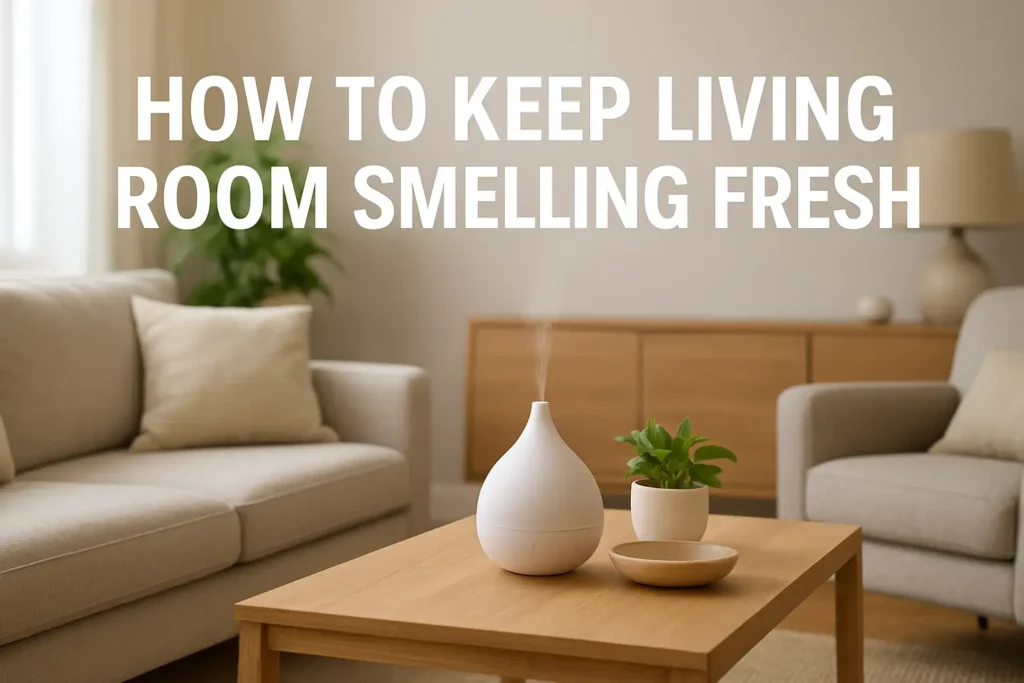
How to Keep Living Room Smelling Fresh
Why does your living room sometimes feel stuffy or have lingering odors even when it looks clean?
The simple answer is that fabrics, poor air circulation, and hidden dirt can trap smells. To keep your living room smelling fresh, you need a mix of regular cleaning, good airflow, and natural odor neutralizers.
This guide walks you through practical steps, from cleaning fabrics to adding natural scent boosters, so your living room always feels welcoming.
Why Keeping Your Living Room Smelling Fresh Matters
Your living room is the most used space in the home. It’s where guests gather, families relax, and often where pets lounge. A fresh-smelling room not only feels more inviting but also reflects cleanliness. Persistent odors can come from:
- Dust and pet dander settling on fabrics
- Cigarette smoke or cooking odors drifting in
- Dampness from carpets or furniture
- Poor air circulation
The good news is, with consistent habits, you can prevent odors before they build up.
Step 1: Improve Air Circulation
The first step in keeping your living room smelling fresh is ensuring proper airflow.
- Open windows daily – Even 15–20 minutes of fresh air can push stale odors out.
- Use ceiling or standing fans – These help circulate air if windows can’t stay open.
- Check ventilation systems – Replace HVAC filters regularly to avoid dust and odor buildup.
If your living room doesn’t have windows, consider an air purifier with HEPA filters to capture dust and odor particles.
Step 2: Keep Fabrics Clean
Fabrics absorb smells easily, so they must be cleaned often.
- Vacuum upholstery and curtains weekly – Use attachments to reach corners and folds.
- Wash throw blankets and cushion covers – Rotate and wash them every 1–2 weeks.
- Deep clean carpets and rugs – A mixture of baking soda sprinkled on carpets before vacuuming helps absorb odors naturally.
Pro tip: If your sofa isn’t washable, sprinkle baking soda on it, let it sit for 30 minutes, then vacuum.
Step 3: Tackle Hidden Odor Sources
Sometimes odors come from unexpected spots.
- Clean under furniture – Dust and pet hair gather in hidden spaces.
- Wipe baseboards and window sills – Dust in these areas can make the room feel stale.
- Empty trash bins daily – Even small paper bins can trap odors over time.
A simple weekly cleaning routine can prevent odors from building up unnoticed.
Step 4: Neutralize Odors Naturally
Instead of masking smells with strong artificial sprays, use natural options:
- Baking soda bowls – Place small bowls around the room to absorb odors.
- Activated charcoal bags – These are reusable and excellent for long-term odor absorption.
- Houseplants – Plants like peace lilies and spider plants help filter the air naturally.
These methods don’t just add fragrance—they neutralize bad smells.
Step 5: Add a Pleasant Natural Scent
Once odors are neutralized, you can introduce light, natural scents.
- Essential oil diffusers – Lavender, eucalyptus, or citrus oils are popular for freshness.
- DIY simmer pots – Simmer water with lemon slices, cinnamon sticks, or cloves on the stove, then let the aroma drift into the living room.
- Scented sachets – Place fabric pouches filled with dried lavender or herbs in drawers or behind cushions.
Important: Keep scents mild. Overpowering fragrances can feel artificial and unpleasant.
Step 6: Keep Pets Fresh and Groomed
If you have pets, odors can linger quickly.
- Brush pets regularly – This reduces dander on furniture.
- Wash pet bedding weekly – Beds and blankets trap strong smells.
- Use washable covers on sofas – They make cleaning easier when pets jump on furniture.
A small grooming routine goes a long way in keeping the living room fresh.
Step 7: Maintain a Cleaning Schedule
Consistency is the key. A simple weekly routine ensures odors don’t build up:
- Daily – Open windows, tidy up, empty trash.
- Weekly – Vacuum carpets, wipe surfaces, wash covers.
- Monthly – Deep clean rugs, check ventilation, refresh baking soda bowls.
Step 8: Seasonal Deep Cleaning
Every few months, take time for a bigger reset:
- Steam clean carpets and upholstery
- Wash curtains thoroughly
- Check for mold or damp spots around windows
- Freshen up air vents and ducts
This seasonal effort ensures your living room never develops deep, embedded odors.
FAQs on How to Keep Living Room Smelling Fresh
1. How often should I air out my living room?
Ideally, open windows for at least 15 minutes daily. If that’s not possible, use fans and air purifiers to keep air circulating.
2. What’s the best natural odor remover for living rooms?
Baking soda and activated charcoal are the most effective natural odor absorbers. They trap smells instead of masking them.
3. Can houseplants really help with odors?
Yes, certain houseplants like peace lilies and spider plants filter toxins from the air and add natural freshness.
4. How do I keep my sofa from smelling?
Vacuum it weekly, sprinkle baking soda to absorb odors, and wash removable covers every couple of weeks.
5. Do scented candles help keep the living room fresh?
They can mask odors temporarily, but they don’t remove them. For long-lasting freshness, focus on cleaning and natural odor neutralizers first.
Final Thoughts
Keeping your living room smelling fresh is less about covering up odors and more about consistent cleaning, ventilation, and natural scent boosters. A few daily and weekly habits are all it takes to make your space feel welcoming at all times.