
Best Way to Remove Mold from Grout Lines
Are you frustrated by dark stains creeping into your bathroom or kitchen grout no matter how much you scrub?
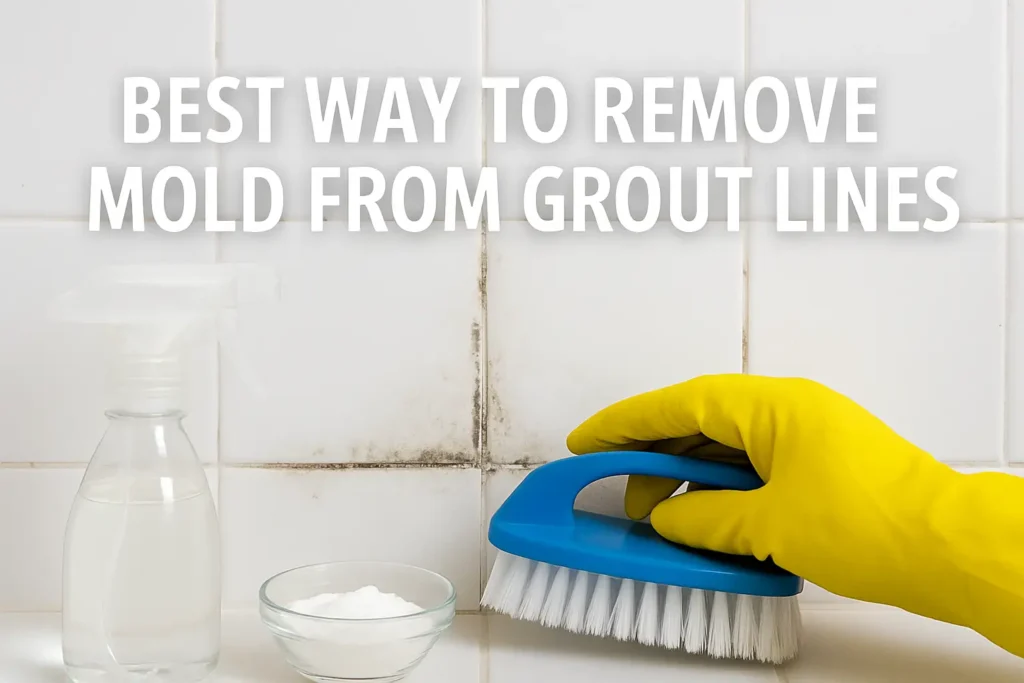
The best way to remove mold from grout lines is to clean with baking soda and vinegar or hydrogen peroxide, scrub with a stiff brush, and dry the surface completely. This kills mold, lifts stains, and prevents it from coming back.
Grout mold is one of the most stubborn cleaning challenges at home. Even sparkling clean tiles can look dirty when mold stains the grout. Beyond aesthetics, mold carries health concerns, especially for those with allergies or asthma. If you’ve been wondering, “What’s the best way to remove mold from grout lines?” you’re in the right place.
This in-depth guide covers:
- Why grout attracts mold
- Step-by-step cleaning methods (natural and chemical)
- Prevention strategies to stop regrowth
- Real-life cleaning hacks for busy homes
- Frequently asked questions answered clearly
By the end, you’ll have everything you need to keep grout clean, bright, and mold-free.
Why Does Mold Keep Appearing in Grout?
Mold thrives where moisture, warmth, and organic particles meet — and grout provides the perfect combination.
- Moisture Absorption: Grout is porous, meaning it absorbs water, soap scum, and oils.
- High Humidity Areas: Bathrooms, laundry rooms, and kitchens often stay damp.
- Poor Ventilation: Without airflow, dampness lingers longer.
- Neglected Cleaning: Grout is often overlooked during daily cleaning, allowing mold to spread.
Once mold spores settle into grout pores, they multiply quickly if conditions remain ideal.
Step-by-Step Guide: Best Way to Remove Mold from Grout Lines
Cleaning grout mold doesn’t require professional help most of the time. Here’s a practical breakdown.
Step 1: Gather Your Supplies
- Baking soda
- White vinegar
- Hydrogen peroxide (3%)
- Dish soap
- Old toothbrush or grout brush
- Spray bottle
- Protective gloves
- Microfiber cloths or towels
- Optional: grout sealer (for prevention after cleaning)
Step 2: Prepare the Area
- Ensure good ventilation — open a window or switch on the exhaust fan.
- Put on gloves to protect your skin.
- Wipe tiles with a damp cloth to remove surface debris.
This makes your cleaning solution more effective.
Step 3: Cleaning Methods
Here are the most effective ways to tackle grout mold.
Method 1: Baking Soda and Vinegar (Natural Cleaner)
This is the most eco-friendly and budget-friendly solution.
- Mix baking soda with water to form a thick paste.
- Apply the paste directly onto moldy grout lines.
- Fill a spray bottle with white vinegar and spray over the paste.
- The mixture will fizz — this helps lift mold from grout pores.
- Scrub with a stiff toothbrush until stains fade.
- Rinse with warm water and wipe dry.
Best for: Light to moderate mold growth.
Method 2: Hydrogen Peroxide and Baking Soda (Stronger Action)
Hydrogen peroxide works as a natural bleaching agent without the harsh effects of chlorine bleach.
- Mix baking soda with hydrogen peroxide to form a paste.
- Apply to grout lines and let it sit for 10–15 minutes.
- Scrub with a grout brush or toothbrush.
- Rinse thoroughly and dry.
Best for: Darker or more stubborn mold stains.
Method 3: Vinegar and Dish Soap Spray (Weekly Maintenance)
This method is great for ongoing prevention.
- Mix 1 cup vinegar + 1 cup water + a few drops of dish soap in a spray bottle.
- Spray grout lines generously.
- Let it sit for 5–10 minutes.
- Scrub lightly and rinse.
Best for: Regular upkeep, not heavy mold.
Method 4: Commercial Grout Cleaner
Sometimes, commercial products are needed for deep stains. Always check:
- Read labels carefully.
- Test a small patch first.
- Follow safety guidelines.
- Rinse thoroughly to avoid residue.
Best for: Severe mold growth that resists natural solutions.
Method 5: Steam Cleaning
If you own a steam cleaner with a grout attachment:
- Heat the steam machine according to instructions.
- Direct steam at grout lines for several seconds.
- Scrub gently with a brush if needed.
- Wipe with a microfiber cloth.
Best for: Large tiled areas or eco-friendly deep cleaning.
Step 4: Dry Thoroughly
Mold thrives in damp conditions. After cleaning:
- Dry grout lines with a microfiber cloth.
- Leave the area well-ventilated until completely dry.
Skipping this step may undo your hard work.
Extra Practical Tips to Prevent Grout Mold
- Ventilate Bathrooms: Open windows, use exhaust fans, or run a dehumidifier.
- Seal Grout Once a Year: Prevents moisture absorption.
- Daily Wipe Down: Quickly drying tiles after showers prevents buildup.
- Use a Squeegee: A few seconds of squeegee work keeps moisture at bay.
- Avoid Carpet Near Tiles: Damp rugs can encourage hidden mold growth.
Real-Life Hacks for Busy Homes
- Keep a spray bottle of vinegar solution handy for quick spritzes after showers.
- Repurpose an old toothbrush as a grout scrubber.
- Use tea tree oil spray (1 teaspoon tea tree oil in 1 cup water) for natural antifungal protection.
- For stubborn mold, apply hydrogen peroxide with cotton balls and leave overnight before scrubbing.
- Store towels outside the bathroom if possible — less humidity means less mold.
Long-Term Maintenance
- Weekly Routine: Spray vinegar solution and wipe down grout.
- Monthly Routine: Deep clean grout with baking soda and hydrogen peroxide.
- Yearly Routine: Apply grout sealer to reduce moisture absorption.
This layered routine ensures mold has no chance to return.
FAQs About Removing Mold from Grout Lines
Q1: Can bleach remove mold from grout?
Yes, bleach can kill mold, but it may discolor grout and is harsh on surfaces. Safer alternatives like hydrogen peroxide or vinegar are better for frequent use.
Q2: How do I know if grout mold is dangerous?
Most grout mold is manageable. If you notice mold spreading behind tiles, a musty odor, or recurring black spots despite cleaning, professional help may be needed.
Q3: How often should I clean grout to prevent mold?
Weekly light cleaning and quarterly deep cleaning keep grout mold-free.
Q4: Does sealing grout stop mold growth completely?
Sealing reduces water absorption but doesn’t eliminate mold risk. Regular cleaning is still important.
Q5: Can steam cleaning replace scrubbing?
Steam cleaning works well but is most effective when combined with scrubbing for deeply stained grout.
Final Thoughts
The best way to remove mold from grout lines is with natural cleaners like baking soda, vinegar, or hydrogen peroxide, paired with thorough scrubbing and drying. Prevention is key — regular ventilation, sealing grout, and quick daily wipe-downs will save you from future scrubbing battles.