How to Clean a Fabric Couch (Easy Step-by-Step Guide)
Have you ever looked at your couch and realized it’s not as clean as it used to be?
Spills, stains, pet hair, and daily dust can make your fabric couch lose its charm.
To clean a fabric couch, start by vacuuming it thoroughly, check the manufacturer’s cleaning label, test a small area, and use the right cleaning method — water-based, solvent-based, or dry cleaning. Finish by drying it completely to avoid water stains or mold growth.
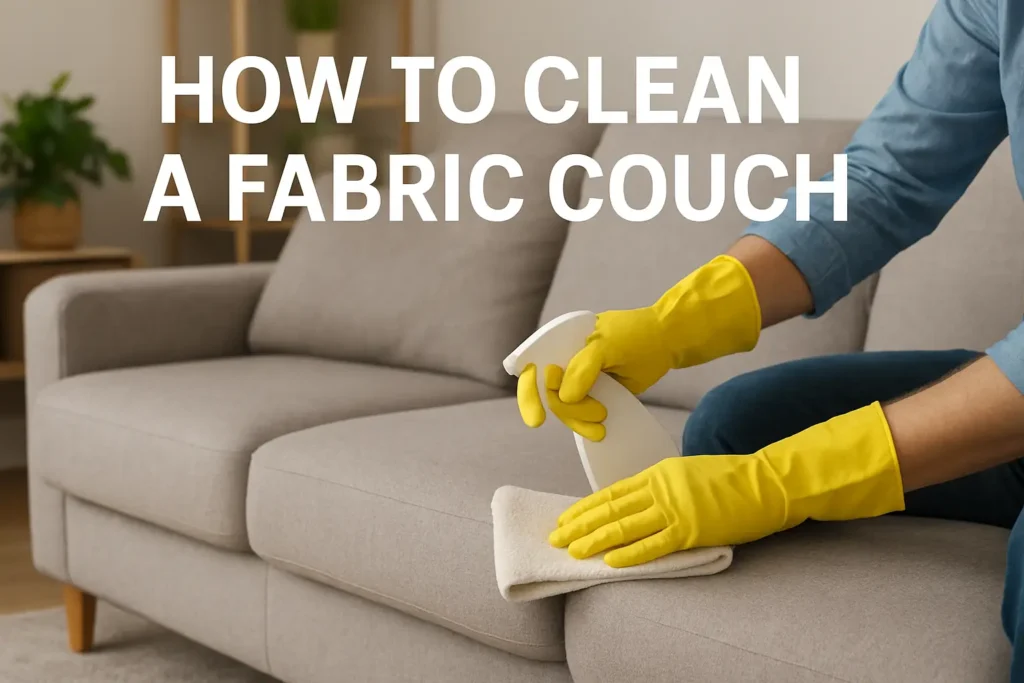
Now, let’s go step by step to bring your couch back to looking fresh and spotless.
1. Why Regular Couch Cleaning Matters
Your couch is one of the most used pieces of furniture in your home. From Netflix nights to family gatherings, it collects dust, food crumbs, sweat, and oils over time.
Regular cleaning doesn’t just improve how it looks — it also:
- Keeps your home smelling fresh.
- Reduces allergens such as dust mites and pet dander.
- Prevents permanent staining.
- Extends the lifespan of your couch fabric.
Even if your couch doesn’t look dirty, a routine deep clean every few months makes a huge difference.
2. Identify Your Fabric Type Before Cleaning
Before applying any cleaner, always check your couch’s fabric type and manufacturer tag. These tags usually have codes that tell you what cleaning solutions are safe to use.
Here’s what the common fabric care codes mean:
| Code | Meaning | What to Use |
|---|---|---|
| W | Water-based cleaner | Mix water with mild detergent |
| S | Solvent-based cleaner | Use dry-cleaning solvent only |
| WS | Water or solvent-based | Use either method safely |
| X | Vacuum only | No water or cleaner — just dry brush or vacuum |
If you’re unsure, test your cleaning solution on a hidden area first. This simple step prevents discoloration or damage.
3. Step-by-Step: How to Clean a Fabric Couch
Follow this detailed process to safely and effectively clean your fabric couch.
Step 1: Vacuum the Entire Couch
Use a vacuum with a brush or upholstery attachment to remove dust, crumbs, and loose debris from the surface, seams, and crevices.
Tip: If you have pets, use a lint roller or a rubber glove to lift embedded fur that vacuums sometimes miss.
Step 2: Read the Cleaning Tag
Locate the cleaning code tag (usually found under the seat cushions or on the bottom of the couch).
This tag guides you on what type of cleaner you can safely use.
- If it says W, you can use water-based cleaners.
- If it says S, use a dry-cleaning solvent.
- If WS, you can use either.
- If X, stick to vacuuming only.
Step 3: Spot Test First
Before applying any cleaner across the couch, test it on a small, hidden section.
Wait 15–20 minutes to see if the color changes or the texture feels off.
If there’s no reaction, proceed confidently.
Step 4: Apply the Cleaner
Depending on your couch’s code:
For “W” or “WS” Fabrics:
- Mix 2 cups of warm water, 1 tablespoon of dish soap, and 1 tablespoon of white vinegar.
- Lightly dampen a microfiber cloth with the solution.
- Gently blot (don’t rub) the stained area in circular motions.
For “S” Fabrics:
- Use a solvent-based cleaner specifically made for upholstery.
- Apply using a clean, white cloth and gently blot.
- Ensure proper ventilation, as solvent cleaners may have strong fumes.
For “X” Fabrics:
- Only use a vacuum or dry brush.
- Never use liquids — they may ruin the fabric.
Step 5: Rinse and Blot Dry
Once the stains are gone, dampen another clean cloth with plain water and blot the cleaned area to remove soap residue.
After that, use a dry towel to soak up as much moisture as possible.
Step 6: Air Dry Completely
Let the couch air dry naturally.
If possible, open windows or use a fan to speed up the process.
Avoid sitting on it until it’s fully dry to prevent new stains.
4. Common Cleaning Codes Explained (Quick Reference)
Understanding your couch’s cleaning code can save you from costly mistakes:
- W: Use water-based cleaners.
- S: Use solvent-based cleaners (no water).
- WS: Both types are safe.
- X: Vacuum or brush only.
If the tag is missing, reach out to the manufacturer or check their website for care instructions.
5. Homemade Fabric Couch Cleaner Recipes
If you prefer natural, affordable cleaning methods, here are a few DIY mixtures that work great:
1. Basic Fabric Cleaner
- 2 cups of warm water
- 1 tablespoon of mild dish soap
- 1 tablespoon of white vinegar
Mix, spray lightly, and wipe with a microfiber cloth.
2. Odor Removal Spray
- 1 cup of warm water
- 1 tablespoon of baking soda
- A few drops of essential oil (optional)
Spray lightly and let it air dry to remove lingering smells.
3. Deep Cleaning Foam for Stains
- Mix equal parts baking soda and dish soap with a few drops of water until foamy.
- Apply foam to stained areas using a soft brush.
- Wipe clean and dry.
6. Tips to Keep Your Fabric Couch Cleaner for Longer
Cleaning your couch once isn’t enough — maintaining it is just as important.
Here are some practical habits that keep it looking fresh:
- Vacuum weekly to prevent dust buildup.
- Rotate cushions to ensure even wear.
- Use washable throws or covers for protection.
- Wipe spills immediately to prevent staining.
- Avoid direct sunlight — it can fade the fabric.
- Keep pets off the couch, or train them to sit on a blanket.
7. Common Mistakes to Avoid
Even with good intentions, some cleaning habits can cause damage. Avoid these:
- Using too much water — it may soak into cushions and cause mold.
- Scrubbing aggressively — this can wear out the fabric fibers.
- Using colored cloths that might bleed dye.
- Forgetting to test your cleaner first.
- Ignoring drying time — damp fabric attracts dirt quickly.
8. Frequently Asked Questions (FAQs)
1. Can I use a steam cleaner on my fabric couch?
Yes, but only if your couch’s cleaning code allows water-based cleaning (marked with “W” or “WS”). Steam cleaning is excellent for deep sanitizing, but always test a small section first.
2. How often should I clean my fabric couch?
Vacuum weekly and do a deep clean every 3–6 months. More frequent cleaning may be needed if you have pets or small children.
3. What if my couch smells even after cleaning?
Sprinkle baking soda across the surface, leave it for 30 minutes, and vacuum. Baking soda absorbs odors naturally.
4. Can I use vinegar directly on the couch?
No. Always dilute vinegar with water. Straight vinegar may leave an odor or affect the color of delicate fabrics.
5. How do I remove old stains from a fabric couch?
Make a paste of baking soda and water, apply it to the stain, let it sit for 15 minutes, then blot gently with a damp cloth. For tough stains, consider using a professional upholstery cleaner.
9. Final Thoughts
Cleaning a fabric couch doesn’t have to be complicated. With the right method, you can restore its comfort and appearance easily.
Remember — vacuum regularly, spot clean spills right away, and always check your fabric code before using any cleaner.