How To Clean A Stovetop: Step-By-Step Guide For A Spotless Kitchen
Ever looked at your stovetop and wondered how on earth you’ll get rid of those greasy stains and burnt-on food?
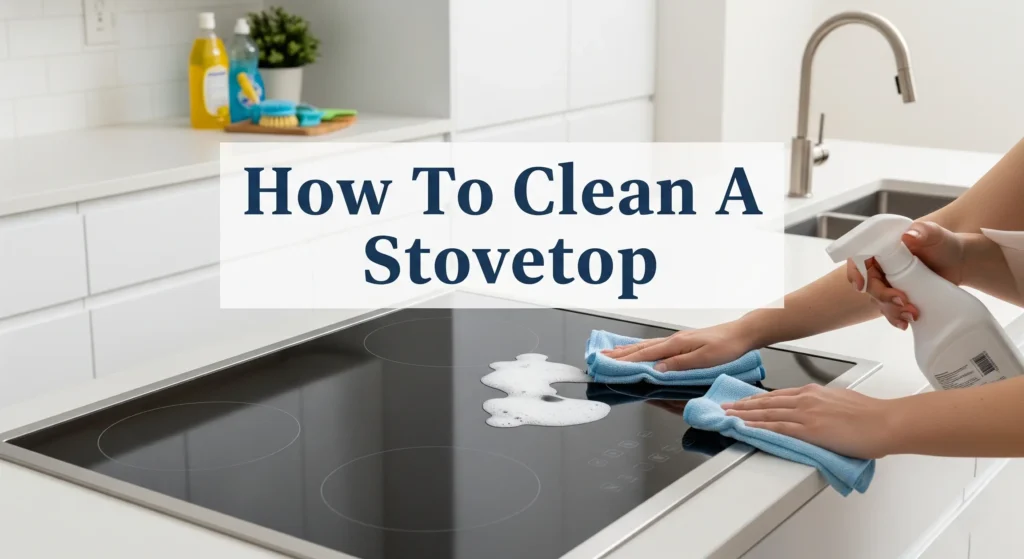
The quickest way to clean a stovetop is to let it cool, remove grates or burners, wipe away loose crumbs, apply a degreasing cleaner or baking soda paste, scrub gently, and finish with a microfiber cloth for shine.
Keeping your stovetop clean not only makes cooking more enjoyable but also extends the life of your appliance. Let’s walk through step-by-step instructions, practical hacks, and proven cleaning methods for every type of stovetop.
Why Cleaning Your Stovetop Matters
A dirty stovetop isn’t just unpleasant to look at—it can also:
- Spread lingering food odors in your kitchen.
- Attract pests.
- Reduce heating efficiency.
- Cause stubborn stains that are harder to remove over time.
Regular cleaning keeps your kitchen hygienic and your cooking experience smooth.
Step-By-Step: How To Clean A Stovetop
Step 1: Gather Your Cleaning Supplies
You don’t need fancy products. Most items can be found in your kitchen already.
You’ll need:
- Dish soap
- Baking soda
- White vinegar
- Warm water
- Microfiber cloths
- Non-abrasive scrubbing pads
- Old toothbrush
- Paper towels
Step 2: Safety First – Turn Off and Cool Down
Never start cleaning while the stovetop is hot. Always switch off burners and allow the surface to cool completely before touching it.
Step 3: Remove and Soak Grates and Burner Caps (Gas Stovetops)
If you have a gas stovetop, carefully remove the grates and burner caps.
- Place them in a sink filled with warm water and dish soap.
- Let them soak for at least 15–20 minutes to loosen grease.
- Scrub gently with a non-abrasive pad or toothbrush.
Step 4: Wipe Loose Debris
Use a damp paper towel or cloth to remove crumbs, food spills, and dust before applying cleaners. This step prevents smearing dirt around.
Step 5: Apply a Cleaning Solution
There are different methods depending on stovetop type:
For Gas Stovetops
- Mix dish soap with warm water.
- Dip your cloth or sponge into the solution and wipe the surface.
- Use an old toothbrush around burner areas.
For Glass or Ceramic Stovetops
- Sprinkle baking soda over stained areas.
- Spray with vinegar until it fizzes.
- Let it sit for 10–15 minutes.
- Wipe with a damp microfiber cloth.
For Electric Coil Stovetops
- Remove the coils (once cool).
- Wipe coils with a damp cloth (avoid submerging in water).
- Clean the drip pans by soaking them in warm soapy water.
Step 6: Tackle Stubborn Stains
For burnt-on food or grease:
- Make a paste of baking soda + water.
- Apply directly to the stain.
- Let sit for 15–20 minutes.
- Scrub gently with a non-abrasive sponge.
Pro Tip: Avoid using steel wool on glass stovetops—it scratches the surface.
Step 7: Rinse and Dry
Once stains are gone, wipe the stovetop with a clean damp cloth to remove soap or baking soda residue. Dry thoroughly with a microfiber cloth for a streak-free shine.
Step 8: Reassemble Your Stovetop
Once everything is dry, put back the burners, grates, and coils. Your stovetop should now look fresh and spotless.
Real-Life Hacks for Faster Cleaning
- Daily Wipe Down: After cooking, let your stovetop cool and quickly wipe with a damp cloth to prevent build-up.
- Lemon Power: Rub half a lemon on greasy spots for natural degreasing.
- Plastic Scraper: For stubborn burnt food on glass tops, use a plastic scraper instead of metal tools.
- Cover Drip Pans: Aluminum foil liners can make cleaning easier on electric stoves.
FAQs: How To Clean A Stovetop
Q1: Can I use vinegar on a glass stovetop?
Yes, vinegar is safe for glass stovetops and helps break down grease and grime.
Q2: How often should I clean my stovetop?
Light cleaning should be done after each use, while deep cleaning once a week keeps it in top condition.
Q3: What should I avoid when cleaning a stovetop?
Avoid steel wool, harsh chemicals like bleach, and sharp tools that can scratch or damage surfaces.
Q4: My stovetop has burnt-on grease. What’s the best way to remove it?
A paste of baking soda and water left to sit for 15–20 minutes works best for burnt-on grease.
Q5: Can I put stovetop grates in the dishwasher?
Yes, most cast iron and enamel-coated grates are dishwasher-safe, but check the manufacturer’s instructions first.
Final Thoughts
Now you know exactly how to clean a stovetop—whether it’s gas, electric, or glass. A little consistency goes a long way. Regular wiping and occasional deep cleaning prevent heavy build-up and keep your kitchen looking and smelling fresh.