How to Clean Carpet with Hydrogen Peroxide
Are you struggling to remove old stains from your carpet?
Carpets take a lot of daily wear and tear from dirt, spills, and pet accidents. When stains set in, cleaning them feels like a tough job. But there is no need to spend a fortune on expensive products.
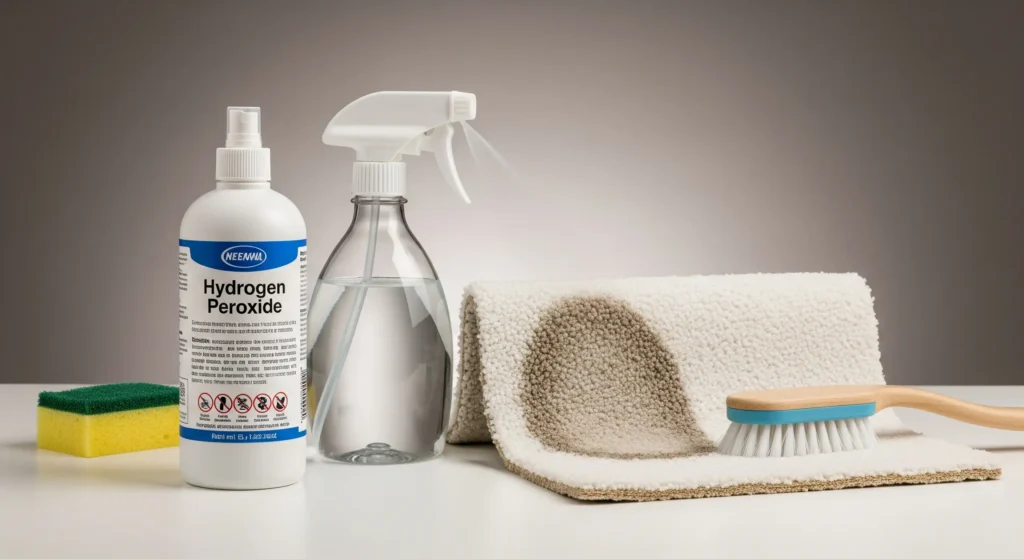
Hydrogen peroxide is a simple, affordable, and powerful solution that can restore your carpet’s look without harsh chemicals. This guide will explain what hydrogen peroxide is, how it works, and how you can safely use it to clean your carpets at home.
If your carpet has milk stains specifically, check out our step-by-step guide on removing milk from carpet using easy home ingredients.
What is Hydrogen Peroxide and How Does it Work?
Hydrogen peroxide is a clear liquid compound made up of water and oxygen. The key to its cleaning power is the extra oxygen molecule which reacts with stains and germs by breaking them down through a process called oxidation.
When applied to carpet stains, hydrogen peroxide works by lifting the stain particles from the fibers and killing bacteria or mold that may be hiding inside. It also acts as a mild bleaching agent, which means it can lighten dark stains but may also affect colored carpets, so testing is essential.
Types of Stains Hydrogen Peroxide Can Remove
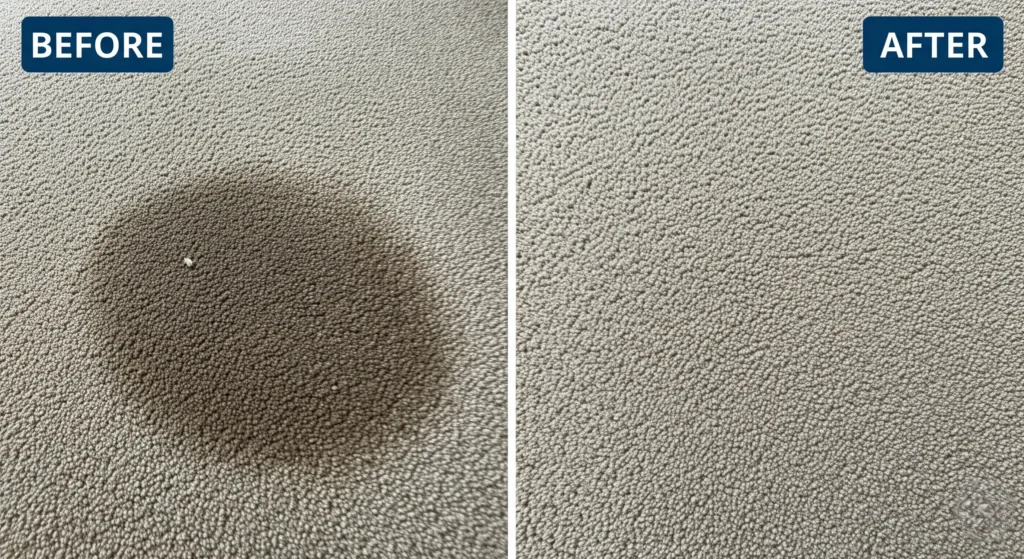
Hydrogen peroxide is especially effective on stains caused by organic matter. These include:
- Blood stains
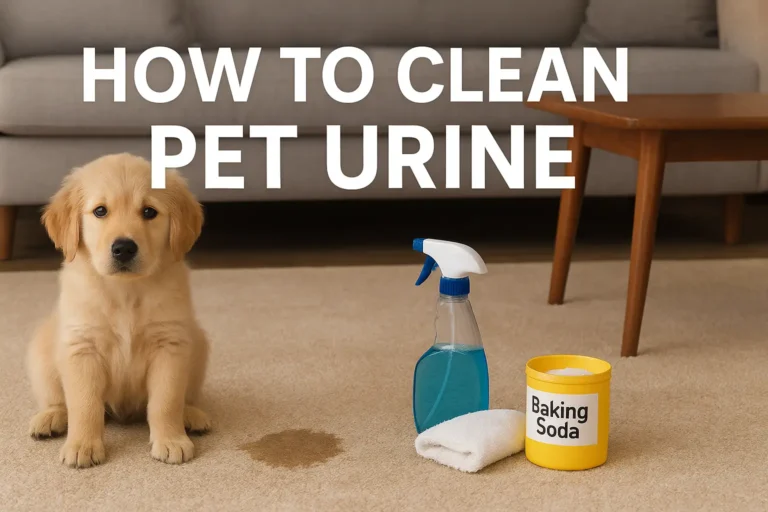
- Pet urine and other animal stains
- Food and drink spills such as wine, coffee, and fruit juices
- Mold and mildew growth
It can sometimes remove older, set-in stains, but the sooner you treat a stain, the better your results will be.
Safety First: How to Use Hydrogen Peroxide Safely on Carpets
Hydrogen peroxide is powerful but must be handled with care to avoid damage or injury:
- Always perform a patch test on a small, hidden area of your carpet. Apply a small amount of 3% hydrogen peroxide, wait 10 minutes, and check for any discoloration or damage.
- Use only 3% concentration hydrogen peroxide; higher concentrations can cause carpet bleaching and fiber damage.
- Wear rubber gloves to protect your skin from irritation.
- Ensure the room is well-ventilated to avoid breathing in fumes.
- Avoid using hydrogen peroxide on brightly colored or delicate carpets unless you have tested it first.
- Do not mix hydrogen peroxide with ammonia or other household cleaners as this can produce harmful gases.
Step-by-Step Guide to Cleaning Your Carpet With Hydrogen Peroxide
Step 1: Prepare the Area and Pretreat the Stain
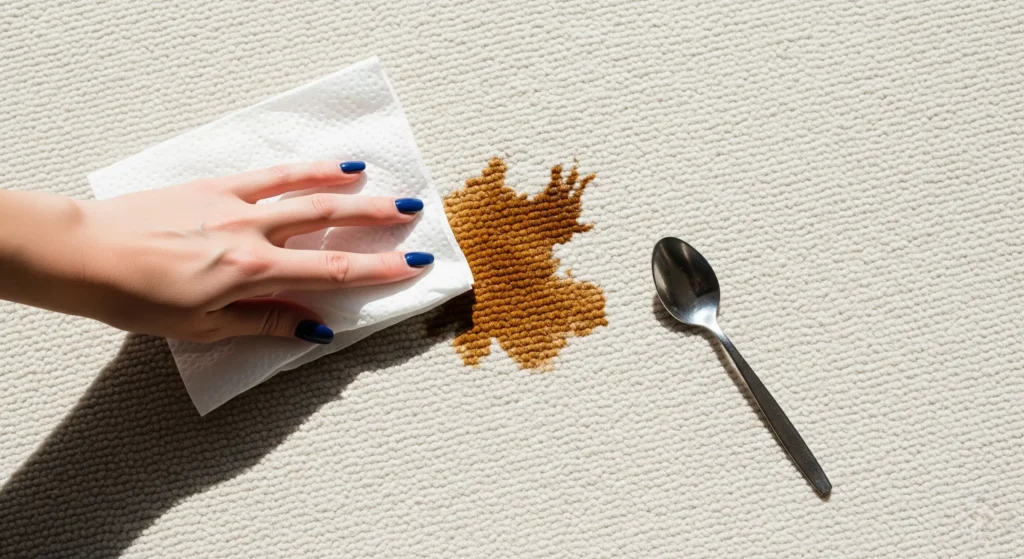
Start by vacuuming the stained area to remove any loose dirt, dust, or pet hair. If the stain is fresh and wet, blot up as much moisture as possible using paper towels, do not rub, as rubbing can spread the stain or push it deeper into the fibers.
Step 2: Apply Hydrogen Peroxide
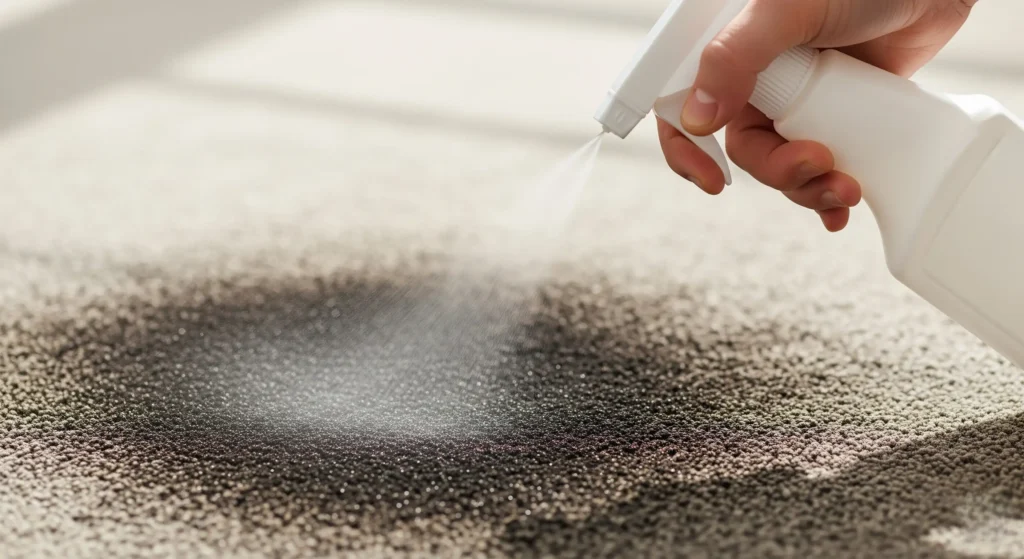
Pour or spray 3% hydrogen peroxide directly onto the stained area. Use enough to saturate the stain but avoid soaking the carpet pad underneath. Let it sit for 10 to 15 minutes. During this time, the peroxide will bubble and break down the stain.
Step 3: Blot and Lift the Stain
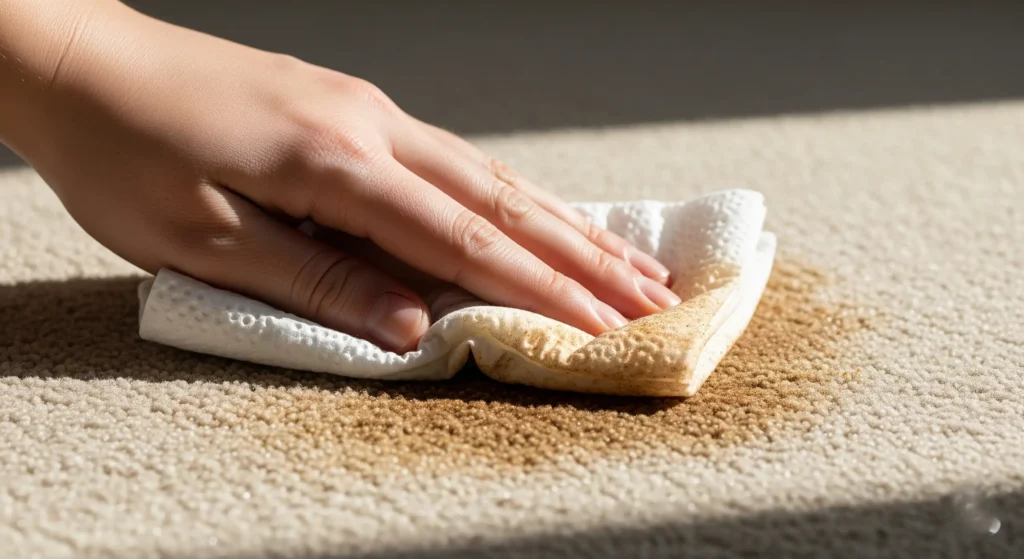
Use clean paper towels or a dry cloth to blot the area, soaking up the peroxide along with the lifted stain. Replace towels as they get dirty and continue blotting until the stain starts to fade.
Step 4: Rinse and Clean
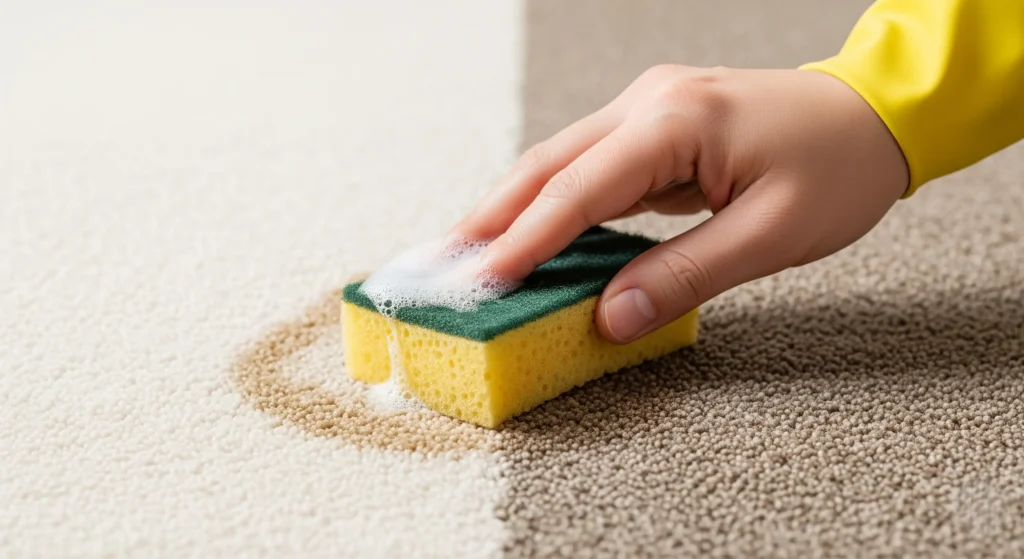
Dampen a clean sponge with water and gently wipe the area to remove any remaining peroxide residue. This prevents prolonged bleaching effects.
Step 5: Dry the Carpet Thoroughly
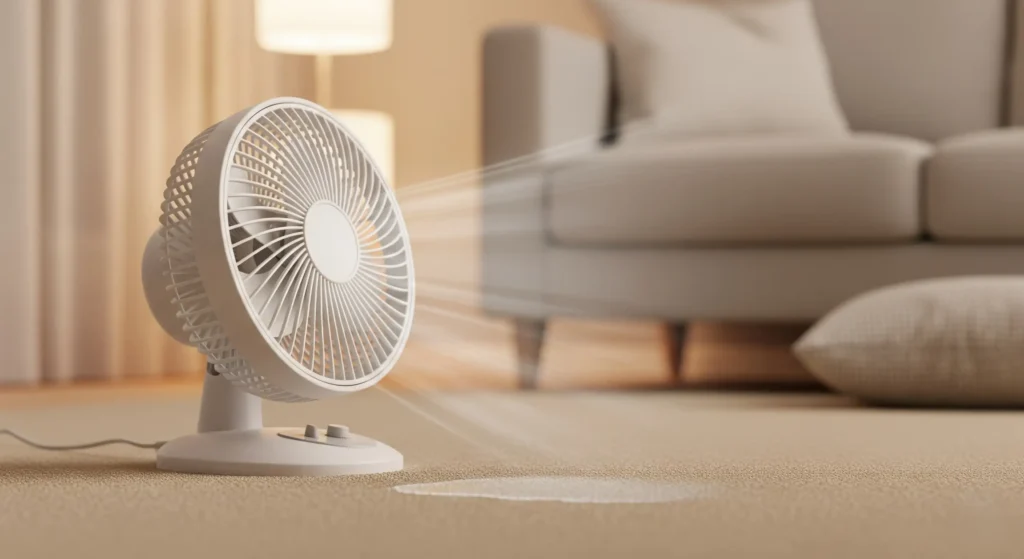
Use a dry towel to absorb excess moisture. If possible, use a fan or open windows to speed drying. Avoid walking on the damp area until completely dry to prevent dirt from settling back.
Additional Cleaning Tips and Alternatives
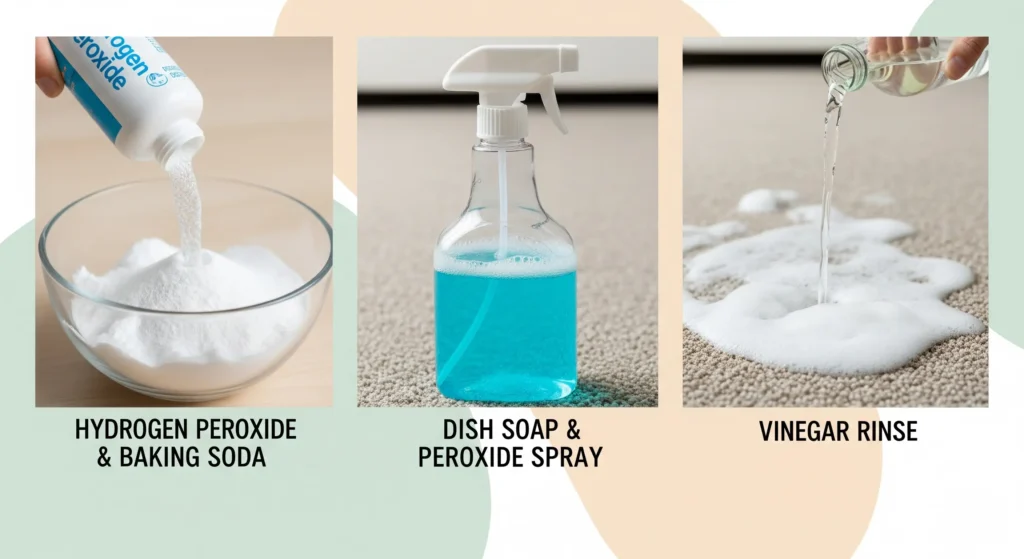
Sometimes, hydrogen peroxide alone may not be enough. Here are some effective combinations and alternatives:
- Hydrogen Peroxide and Baking Soda: Mix 2 cups hydrogen peroxide with 1 cup baking soda to create a foaming cleaner. Apply to tough stains, scrub lightly with a brush, rinse, and dry.
- Hydrogen Peroxide and Dish Soap: Combine equal parts hydrogen peroxide and water with a few drops of dish soap. Spray on stain, scrub with a soft brush, rinse, and blot dry.
- White Vinegar Solution: Mix equal parts water and white vinegar as a natural alternative, especially for color-safe carpets.
- Borax Cleaner: Dissolve borax in warm water with a few drops of dish soap for a gentle cleaning solution.
- Club Soda: Pour club soda on stains, wait 10 to 15 minutes, then blot dry.
How to Maintain Your Carpet After Cleaning
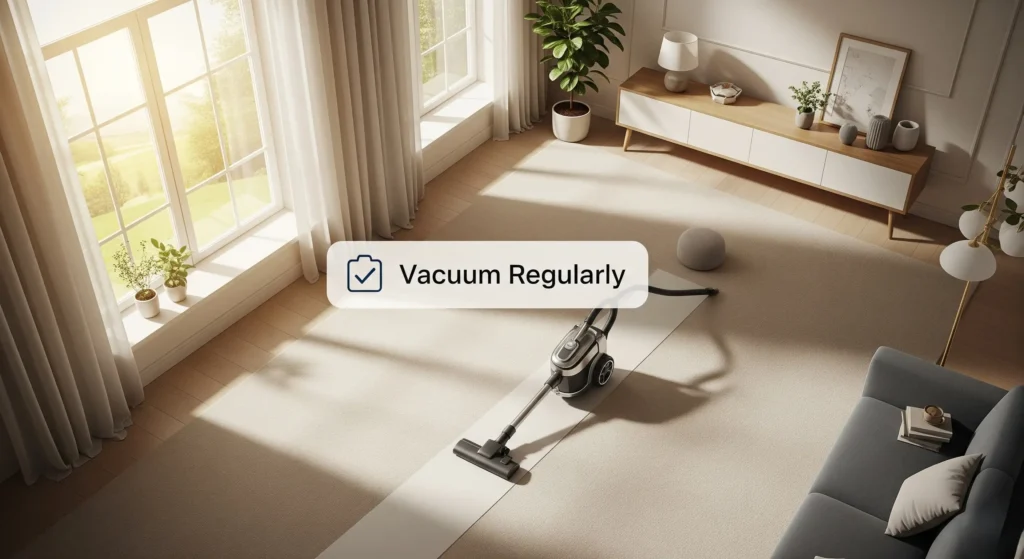
Keeping your carpet clean longer requires regular care:
- Vacuum often to prevent dirt buildup.
- Attend spills immediately by blotting them quickly.
- Schedule deep cleanings seasonally or yearly depending on traffic.
- Use carpet protectors or mats in high traffic areas.
Frequently Asked Questions
Q: Will hydrogen peroxide damage my carpet?
A: If used correctly at 3% concentration and after patch testing, hydrogen peroxide is safe for most carpets.
Q: How often should I clean my carpet with hydrogen peroxide?
A: Clean stains as they occur. Avoid excessive or frequent use to prevent fiber weakening.
Q: Is hydrogen peroxide safe on colored carpets?
A: Test first in an inconspicuous area. It may bleach bright or dark colors.
Q: Can vinegar replace hydrogen peroxide?
A: Vinegar is a good alternative but hydrogen peroxide is generally more effective on tough stains.
Conclusion
Hydrogen peroxide is a practical, affordable, and powerful tool for removing stubborn carpet stains. With proper care and safety precautions, you can bring your carpets back to life without harsh chemicals or expensive products. Follow this guide step-by-step and enjoy fresh, clean carpets for longer.