
How to Create Functional Storage Under the Kitchen Sink
Is the space under your kitchen sink a chaotic mess of cleaning bottles, sponges, and half-used rolls of trash bags?
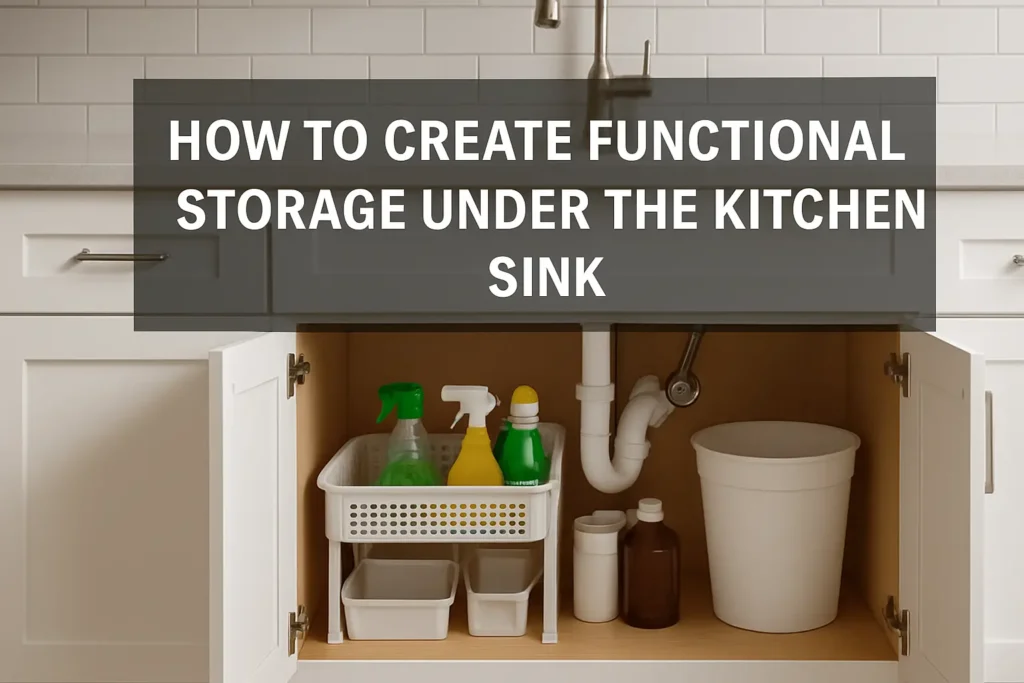
You can turn that cluttered area into an organized and practical storage zone by using stackable bins, adjustable racks, and clever layout strategies designed for small, awkward spaces.
This guide walks you through how to create functional storage under the kitchen sink, including smart organization tips, DIY ideas, and product recommendations that actually make sense for everyday use.
Why the Space Under the Kitchen Sink Is Tricky
The cabinet under the sink is one of the most difficult areas to organize in any kitchen. Between the plumbing pipes, garbage disposal, and cleaning supplies, space quickly becomes limited. But with a bit of planning and the right tools, you can maximize every inch.
The goal is to create a functional system — one that’s easy to maintain and helps you find what you need instantly.
Step 1: Start by Decluttering
Before adding any organizers, remove everything from under the sink. You might be surprised at how many empty spray bottles or expired cleaning products have piled up over time.
Do this first:
- Take everything out of the cabinet.
- Wipe down all surfaces and check for leaks or water damage.
- Sort items into three groups — keep, toss, and relocate.
Items like pet food, tools, or extra paper towels might be better stored elsewhere. Keeping only cleaning essentials helps maintain order in this small area.
Tip: Place a waterproof liner or mat at the bottom of the cabinet to protect against moisture and spills.
Step 2: Measure and Map the Space
Plumbing pipes and garbage disposals can make it tricky to fit organizers. So, before buying anything, take precise measurements.
Measure these dimensions:
- Width and depth of the cabinet
- Height from base to pipes
- Clearance around plumbing fixtures
Once you have these numbers, sketch a simple layout to visualize where bins, drawers, or racks might fit best.
Bonus tip: Take a quick photo of the space on your phone before shopping for organizers — it helps when comparing sizes.
Step 3: Choose the Right Organizers
Now it’s time to select organizers that fit your space and suit your needs. Here are some of the most functional types for under-sink storage:
1. Pull-Out Drawers
Perfect for frequently used items like dish soap, sponges, and surface cleaners. They make it easy to reach items at the back without bending or digging.
2. Stackable Bins
Use stackable bins to separate products by category — for example, “dishwashing,” “surface cleaners,” and “trash bags.” Clear plastic bins are ideal because you can see everything at a glance.
3. Under-Sink Expandable Racks
These adjustable racks fit around plumbing pipes and create multiple levels for storage. They’re a smart way to use vertical space without interfering with plumbing.
4. Tension Rod for Spray Bottles
Place a tension rod near the top of the cabinet and hang spray bottles by their triggers. This frees up the bottom shelf for heavier items.
5. Door-Mounted Organizers
The inside of cabinet doors is valuable real estate. Use it for small items like sponges, gloves, and trash bags. Adhesive hooks or over-the-door bins work great here.
Step 4: Create a Category System
Once you’ve installed the organizers, group your supplies by purpose. A category system makes it easier to find things quickly and keeps everything in its proper place.
Sample Category Ideas:
- Dishwashing Zone: Dish soap, brushes, sponges, dishwasher pods
- Cleaning Zone: All-purpose sprays, disinfectants, microfiber cloths
- Trash Zone: Trash bags, recycling liners, compost bin liners
- Extras Zone: Paper towels, scrub pads, refills
You can also use small labels on bins or drawers — clear labeling helps everyone in the household keep things organized.
Step 5: Use Vertical Space Wisely
Most people underutilize the vertical space under their sink. Try these vertical organization ideas:
- Install a two-tier sliding shelf to double your storage area.
- Use stackable drawers for smaller cleaning tools and wipes.
- Add adhesive shelves or magnetic strips to the cabinet walls for light items like sponges or scissors.
By going upward instead of outward, you make the most of the limited footprint.
Step 6: Keep It Moisture-Proof and Easy to Clean
The area under the sink can get damp due to leaks or condensation. To avoid mold and odors:
- Line the base with a waterproof mat or rubber tray.
- Keep baking soda or a small dehumidifier pack to absorb moisture.
- Wipe down the area every few weeks to prevent grime buildup.
Also, choose plastic or metal bins instead of cardboard — they resist moisture and last longer.
Step 7: Add Personal Touches for Convenience
A functional setup should also be practical and visually neat. Small touches make a big difference:
- Use matching containers for a uniform look.
- Store backup supplies in labeled bins at the back.
- Add motion-sensor LED lights for better visibility.
- Keep a small caddy to grab frequently used cleaning supplies quickly.
These minor details help you maintain organization long-term without much effort.
Step 8: Maintain the System Regularly
The best organization systems fail when they’re not maintained. Every month or two, do a quick check:
- Toss out nearly empty or expired products.
- Wipe down shelves and organizers.
- Reorganize items that have shifted.
A quick 5-minute cleanup can keep your under-sink space tidy for good.
Real-Life Hack: The Under-Sink Cleaning Caddy
Keep a portable cleaning caddy under the sink with essentials like glass cleaner, microfiber cloths, and disinfectant spray. This allows you to grab it quickly for cleaning tasks around the house — no more running back and forth to the cabinet.
Practical Examples of Functional Under-Sink Setups
Here are three layout ideas depending on your household needs:
1. Small Apartment Setup
- One-tier expandable rack
- Hanging tension rod for sprays
- Two small bins (one for dish items, one for cleaners)
2. Family Kitchen Setup
- Pull-out double drawers for everyday items
- Door-mounted organizers for gloves and brushes
- Clear labeled bins for each cleaning category
3. Large Home with Plenty of Supplies
- Multi-level metal rack system
- Divided drawers for refills and backups
- LED lights and waterproof mat for a premium setup
Additional Tips for Success
- Keep only what you use regularly under the sink.
- Store bulk cleaning supplies elsewhere (like a laundry room).
- Choose clear or transparent containers for easy visibility.
- Label everything clearly — consistency keeps it organized.
- Avoid overcrowding; leave space for airflow and easy access.
FAQs About Functional Storage Under the Kitchen Sink
1. What should not be stored under the kitchen sink?
Avoid storing food, paper products, or electronics under the sink due to moisture risk. Stick to cleaning items, trash bags, and non-perishable tools.
2. How do I keep under-sink storage from smelling?
Use baking soda or activated charcoal to absorb odors, and ensure the area stays dry. Clean regularly and check for leaks.
3. What’s the best material for under-sink organizers?
Plastic, acrylic, or coated metal organizers work best. They’re durable, moisture-resistant, and easy to clean.
4. How can I organize under the sink in a rental home?
Use non-permanent options like tension rods, over-the-door bins, and stackable containers. Avoid drilling or screwing anything into the cabinet.
5. How often should I reorganize under the sink?
Every 2–3 months is ideal, or whenever you notice clutter returning. Frequent small cleanups are easier than one big overhaul.
Final Thoughts
Creating functional storage under the kitchen sink doesn’t require expensive organizers or a major remodel. With the right strategy — declutter, measure, organize, and maintain — you can turn that small, awkward space into a clean and efficient storage zone that actually works for your daily routine.